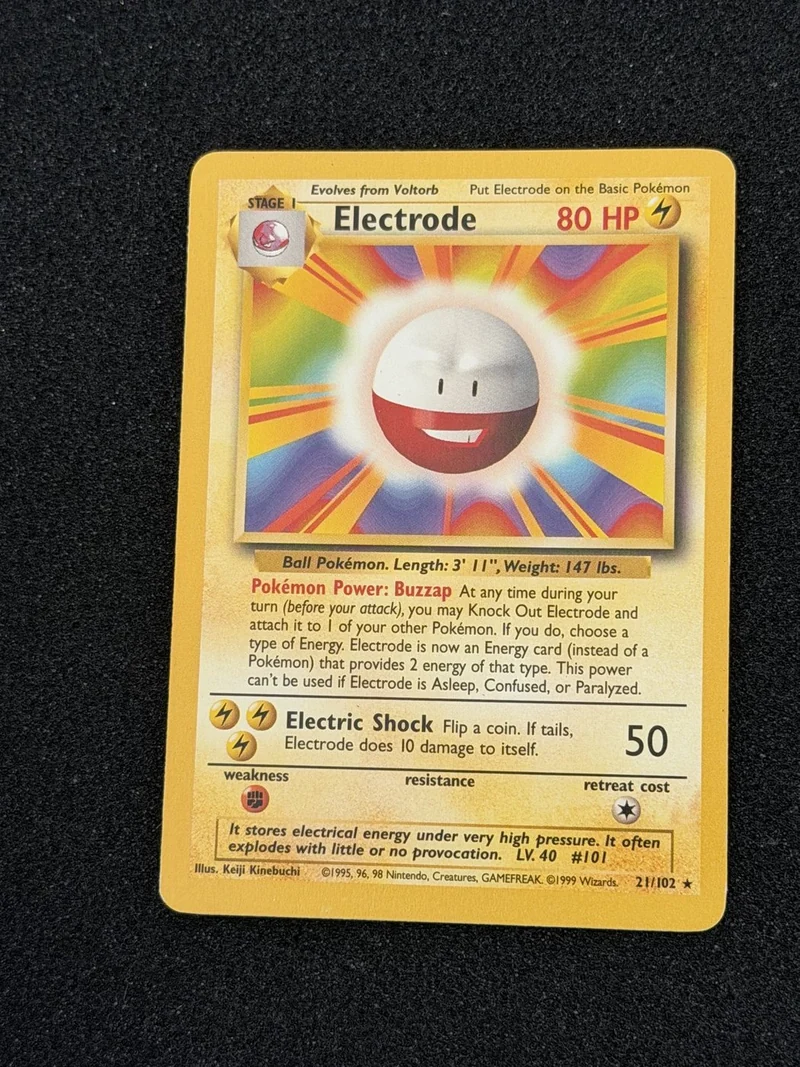
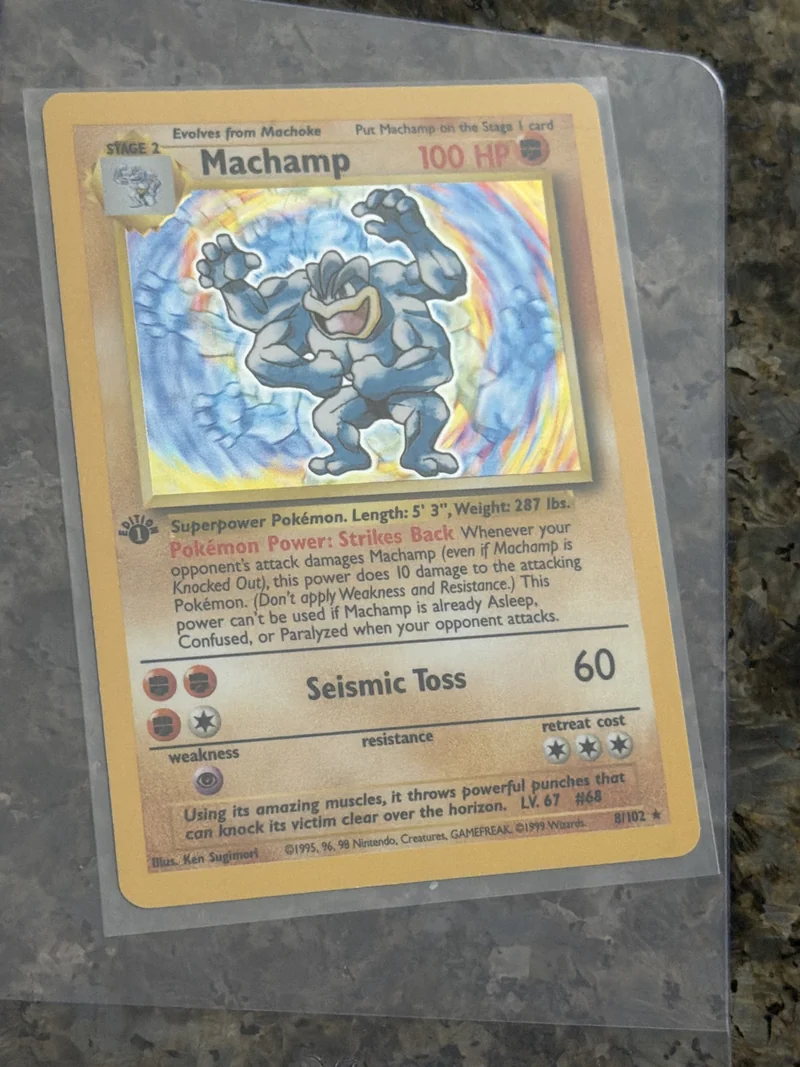
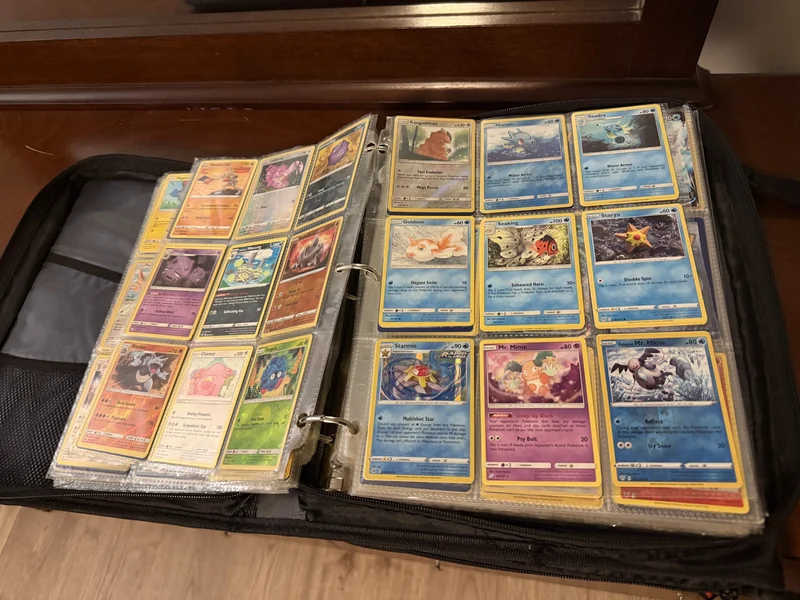
Selling your collection
Where and How to Sell Pokémon Cards for Cash
You have a stack of cards, a few graded collectibles or a binder that has been sitting untouched for years. The next question is not simply what they are worth. It is where you can sell them, how much work the sale will require and how much money you will actually keep.
The best place to sell Pokémon cards depends on the collection and your priorities. Marketplaces can provide access to individual buyers and potentially higher gross prices. Local stores and direct collection buyers can reduce the work involved. Specialist auctions may be appropriate for exceptional items, while consignment can help sellers who prefer to delegate the selling process.
By Cash Out on Cards | Educational guide
Editorial disclosure: We operate an independent direct-purchase business and have a commercial interest when people sell to us. Other selling methods may be better suited to your circumstances. This guide is intended to help you compare them fairly.
Contents
- Decide what you want from the sale
- Compare your selling options
- Selling online through marketplaces
- Selling locally or through a private buyer
- Auctions and consignment
- Direct collection buyers
- Compare gross and net proceeds
- Avoid common selling risks
- Prepare a collection for shipping
- Key takeaways
- Frequently asked questions
Decide what you want from the sale
Begin with your priorities. Are you trying to maximize the amount you receive from a particularly valuable card? Do you need to clear space and sell hundreds of mixed cards? Are you comfortable waiting for individual buyers? Would you prefer an agreed price for the entire group?
If you have only one or two desirable cards, the time involved in photographing and listing them may be manageable. With several binders and thousands of cards, the work can become substantial. Different strategies are appropriate for different situations, and you can combine them. For instance, you might retain sentimental pieces, sell a particularly valuable card through a specialist and ask a direct buyer to review the rest.
Before making a high-value sale, establish the identity and condition of the cards as accurately as you can. Our Pokémon card prices guide explains how to find reasonable market comparisons. If you're unfamiliar with the hobby, do not feel that you must fully catalog a collection before comparing your options.
Compare your selling options
| Method | Best suited to | Costs and work | Payment timing and risks |
|---|---|---|---|
| eBay | Individual cards, graded items, sealed products and lots | Listing, fees, packing, shipping, customer service | After sale and applicable payout process; returns, disputes, unsold items |
| TCGplayer | Cataloged raw singles and organized inventory | Condition assessment, inventory records, commissions, order fulfillment | Platform payout schedule; condition disputes and fragmented orders |
| Local card shop | In-person offers for cards the store wants | Travel, research if desired; store needs a resale margin | May be quick after an agreement; selective purchases and varying offers |
| Card show | Collectors with desirable items or people comparing vendors | Travel, admission, table costs if exhibiting; negotiations | Depends on agreement; cash-handling and private transaction risks |
| Specialist auction | Exceptional, scarce or high-value items | Consignment agreement, preparation, possible commissions and shipping | Auction and settlement schedule; outcome uncertain |
| Consignment service | Owners who want help selling particular items | Agreed fees, custody of merchandise, possible storage and shipping | Usually after sales settle; unsold items and contract terms matter |
| Private sale / collector community | People with relevant contacts and accurately described cards | Negotiation, payment arrangements and shipment | As agreed; fewer platform protections if sold privately |
| Direct collection purchaser | Mixed collections and sellers prioritizing convenience | One inquiry and negotiation; buyer may require additional verification | As agreed; confirm terms, seller protections and buyer identity |
No method wins for every collection. Some platforms have programs that change how items are fulfilled, authenticated or paid out. Check the specific current terms instead of assuming the table describes every possible transaction.
Selling online through marketplaces
eBay
A broad marketplace such as eBay can be useful for individual items that have a recognizable buyer audience, particularly when good photographs help establish condition. You can choose a fixed-price listing or an auction, subject to the platform's available selling options. Lots and sealed products may be listed as distinct items.
The responsibility for accurately describing merchandise, packaging it, fulfilling orders and dealing with potential disputes generally remains with you unless a particular program changes that arrangement. An auction might exceed your expectations or fall short; a fixed-price listing might take longer to sell.
As checked on November 28, 2026, eBay's US standard selling fee schedule lists a 13.25% final value rate on the sale amount up to $7,500 per item in its collectible card game category, with 2.35% on the amount above that threshold, plus a per-order fee. The applicable base can include shipping and sales tax, and Store subscriptions, additional services and different categories can change the amount. Always check the current schedule for your account before listing.
A sale displayed as $100 is not the same as $100 deposited in your bank account. Subtract relevant fees, materials, postage, possible advertising expenses and any costs associated with returns. Funds may also be subject to the platform's payout and dispute processes.
TCGplayer
TCGplayer specializes in trading card transactions and provides a catalog that helps sellers list specific card versions. It can be convenient for an organized collection with clearly identified singles and appropriate condition descriptions. If you have never managed an inventory, however, you may need to learn how the catalog, stock counts and shipping settings work.
As checked November 28, 2026, the official TCGplayer fee schedule lists a 10.75% marketplace commission for standard Level 1–4 US seller accounts, subject to a $75 cap per product sold, plus a transaction charge of 2.5% of the order total including applicable shipping and tax, and $0.30 per transaction. Other account types and fulfillment programs have different terms. See the platform's fee calculation examples for application to specific orders.
Low-value individual cards may be uneconomical to mail one at a time. Grouped purchases can change the economics because several cards may share one shipment, while separately placed orders create more administrative work. Accurate inventory and condition descriptions are important to avoid selling a card you cannot locate or disappointing a buyer.
If your collection is already recorded in a spreadsheet, you can compare selling it through a marketplace with submitting the list to a direct collection buyer. You do not need to recreate an existing inventory for Cash Out on Cards.
Selling locally or through a private buyer
Local card shops
A local trading card shop is a sensible option for someone who wants an in-person discussion. Ask whether the business buys Pokémon cards for cash, offers store credit, accepts bulk and reviews older collections. A store that specializes in a particular type of card may not be interested in every item.
A shop generally needs enough room between its acquisition price and expected resale proceeds to cover its costs and risk. You may receive a lower amount than the combined prices for individual cards online, but you avoid arranging a separate sale for each accepted item. Do not assume that every shop uses a common percentage or that it pays the same amount for store credit and cash.
Call or check the shop's actual policies before traveling with valuable cards. If you meet a private buyer, select a safe public setting, agree on the terms and verify payment appropriately. Avoid publishing your home address or personal information in public group posts.
Card shows and online collector communities
Card shows offer a chance to speak with multiple vendors and collectors. A show can be useful when you want to compare perspectives on a scarce item or simply enjoy the hobby. Check the event's rules and costs in advance. If you take merchandise, keep track of what you brought and avoid leaving it unattended.
Private collector communities can introduce you to interested people without necessarily requiring a traditional listing. The trade-off is that you may need to handle identity checks, payment, disputes and shipment yourself. Understand the group's rules and the protections actually available through your chosen payment method. Do not assume a payment app's ordinary personal-transfer function covers merchandise purchases.
Auctions and consignment
An auction house can make sense when a card or collection is unusual enough to benefit from specialist expertise, an established bidder audience and detailed cataloging. The auction house determines whether it will accept the merchandise and on what terms. A notable sale of an exceptional card does not mean that every binder is a good auction candidate.
Ask about the seller's commission, buyer's premium, reserve price, expenses, insurance, custody, timing, what happens if the lot does not sell and when you will be paid. The published auction result may include a buyer premium, which is not necessarily part of the seller's proceeds. Heritage's consignment guidance illustrates the types of decisions involved in arranging a specialist sale.
Consignment means arranging for someone else to sell merchandise on your behalf, typically for a fee. It is different from accepting a direct purchase offer. The consignor's proceeds depend on the agreed terms and what actually sells. A service may be an attractive option if you want a professional to manage listings but do not need a single immediate purchase price. Clarify how unsold items are returned, who bears risk while the merchandise is held and how the service accounts for each sale.
For a particularly valuable card, independent authentication and competing quotes may be worth the effort. Our rarity guide explains which features warrant additional research.
Direct collection buyers
Direct purchasers evaluate items with the intention of acquiring them. Unlike a marketplace, a direct buyer is generally the party making the offer rather than the service introducing you to individual retail customers. A purchaser may acquire cards for resale, grading, long-term collecting or a combination of purposes.
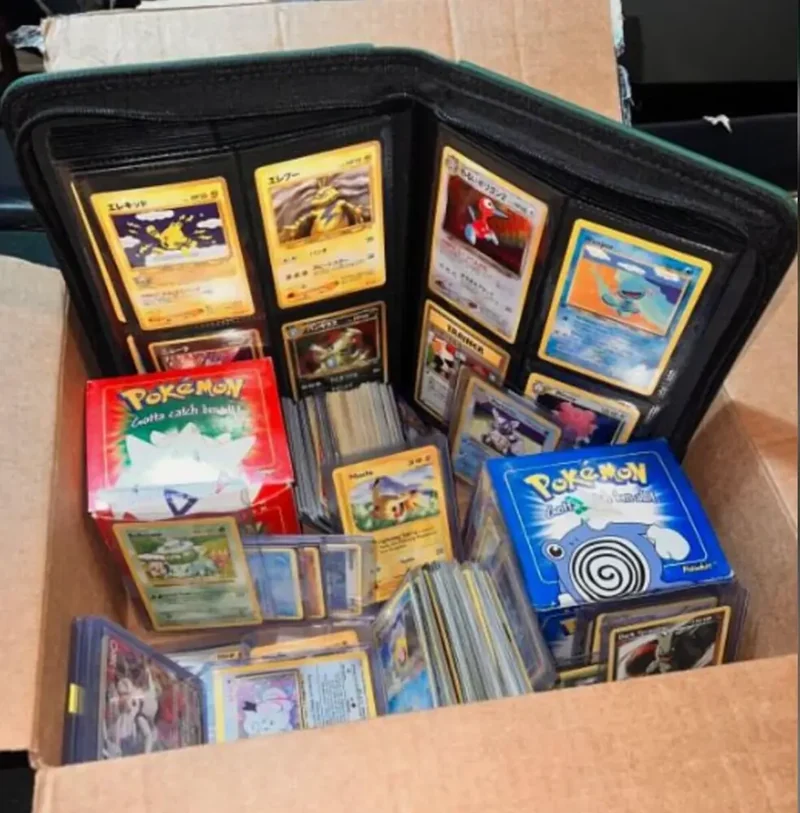
A direct collection offer will often be lower than the estimated combined retail prices of the individual items. The purchaser assumes the time, uncertainty and costs of managing the merchandise after acquisition. This is a commercial trade-off, not a reason to accept any offer automatically. Compare different buyers and be clear about what merchandise the offer covers.
Cash Out on Cards is designed for this approach. You can upload a few photographs or send a collection inventory. The initial review is free, there is no obligation to sell and an offer is not guaranteed. Payment and shipping arrangements are determined individually before an agreed purchase. Do not send merchandise merely because you submitted a form.
If you prefer to list cards yourself, that may be the better choice for you. If you would rather avoid managing numerous buyers and shipments, a single acquisition offer can be worth exploring.
Compare gross and net proceeds
Consider the following hypothetical illustration, not an actual Cash Out on Cards offer or an industry-standard pricing formula. Imagine a collection with estimated individual retail prices totaling $2,000. Over a period chosen by the seller, some cards remain unsold, and others sell for modestly less than estimated.
| Item | Individual selling illustration |
|---|---|
| Estimated retail value of entire collection | $2,000 |
| Inventory that remains unsold at the end of the period | -$300 |
| Price concessions on sold cards | -$100 |
| Actual gross sales during the period | $1,600 |
| Illustrative platform charges (15% effective rate) | -$240 |
| Postage and packing not recovered from buyers | -$120 |
| Net return-related expense allowance | -$40 |
| Cash proceeds before taxes and time | $1,200 |
The seller also retains the unsold cards, which may sell later or may continue to sit in inventory. The illustrative expense assumptions are not current marketplace quotes. Actual charges depend on sales, platform, shipping arrangements and account terms.
Suppose a direct buyer instead offers $1,100 for the whole collection, with no seller-paid shipping expense under that hypothetical agreement. That would be $100 less cash than the individual-sale example for the stated period, and the seller would no longer own the unsold cards. The seller might nevertheless value avoiding separate transactions and the associated work.
If the individual selling process takes 12 hours, and you personally value those hours at $20 each, that is an additional $240 of time in your decision. Time is not a cash deduction in the table; it is an opportunity cost. The direct sale also requires some effort. Conversely, if all the cards sell quickly, fees are lower or the seller recovers postage from buyers, the individual-sale outcome may be considerably better.
The point is not that direct offers always win. It is that a realistic comparison includes net cash, remaining inventory, time, risk and the timing of proceeds. Compare any actual offer on those terms, not against the highest listing prices on the internet.
Avoid common selling risks
The Federal Trade Commission's guide to online selling scams describes fake payment notifications, overpayment schemes and requests for verification codes. These risks are relevant to collectibles as well as other merchandise.
Verify payment through the actual provider, not through a screenshot or an email that might be forged. Do not return an alleged overpayment outside the legitimate platform's procedures, and do not send verification codes to a buyer. Be wary of unfamiliar links asking you to enter banking credentials or pay a fee to unlock funds. Where applicable, understand the marketplace's seller protection rules and keep records of the transaction.
Describe cards honestly, photograph both sides when it is safe and keep dated records of the agreed merchandise and its condition. For a high-value transaction, agree in writing on authentication requirements, the price, when payment is due, shipping responsibilities and what happens if there is a material discrepancy. Avoid assuming that a generic message or an informal promise establishes the complete transaction terms.
Cash Out on Cards does not require payment credentials or government identification documents through its initial collection submission forms. If you receive a request to send money, share passwords or ship before a purchase is agreed, confirm the request through the business's established contact channel or the provider's official service.
Prepare a collection for shipping
Only pack for shipment once the parties have agreed on the sale and logistics. Keep valuable cards protected in appropriate sleeves and rigid holders or secure storage. Do not let loose cards slide around inside a large box. Use sufficient cushioning, a sturdy carton and an inner moisture barrier where appropriate, without applying adhesive directly to cards or fragile packaging.
For binders, avoid tightly compressing the pages. Protect corners, immobilize the binder and fill voids in the shipping carton. If the shipment is heavy, use packaging designed for its weight and consider splitting it only in accordance with the agreed shipping and insurance instructions.
Photograph the contents and packaging, keep the carrier acceptance receipt and retain tracking information. Agree who will obtain insurance and verify coverage, exclusions, declared value, proof requirements and signature options. USPS claim guidance explains that compensation may depend on documents establishing value, coverage and loss or damage. A tracking number alone does not guarantee compensation, and insurance is not a substitute for careful packing.
Key takeaways
- Choose a selling method based on the collection, your desired proceeds and the amount of time you want to spend.
- Compare actual net proceeds, not the highest asking price or auction headline.
- Marketplace sales can require substantial work, while direct purchases exchange some potential upside for convenience.
- Verify payment, document agreements and plan shipping before handing over merchandise.
- You can compare options without committing to a sale.
Frequently asked questions
Where is the best place to sell Pokémon cards for cash?
It depends on what you own. A single desirable card may suit an online marketplace or specialist auction. A mixed collection may suit a shop or direct buyer. Compare quotes, fees, workload and payment arrangements.
Can I sell a whole collection without listing individual cards?
Yes. Some local shops and direct collection purchasers review entire collections. You can also research lots or suitable consignment options. Acceptance and price depend on the merchandise.
Will I receive the full price shown in an online guide?
Not necessarily. A guide estimates possible retail value. Selling fees, condition, demand and acquisition costs affect what you may receive from a particular buyer or channel.
Do I need a collection spreadsheet?
No. For our initial purchase review, representative photos are enough to get started. If you already maintain an inventory, you may submit it instead.
How quickly can I get paid?
Timing varies by selling method, buyer, verification requirements and payment provider. Agree on the timing in advance. Cash Out on Cards does not promise a universal payment timeline.
Should I sell my most valuable cards separately?
It can be worth comparing options for exceptional cards. A separate sale may maximize your proceeds, but fees, authentication and the time involved also matter. A whole-collection offer may be simpler.
Do I have to ship before receiving a purchase offer?
Not with Cash Out on Cards' initial inquiry process. Start with photographs or inventory information. Do not ship anything until purchase and shipping arrangements have been agreed.
Explore a simpler selling option
If convenience matters more than managing hundreds of individual sales, Cash Out on Cards may be a good fit. Show us what you have for a free, no-obligation collection purchase review, or read how our process works. You remain free to choose another selling method.
Sources and further reading
- eBay — selling fees (US standard schedule, checked November 28, 2026)
- TCGplayer — fees and fee calculation examples (checked November 28, 2026)
- Heritage Auctions — auction consignment process
- Federal Trade Commission — online selling scams
- USPS — claims and documentation
- eBay — seller protection rules