Vintage collections
The Pokémon Cards You Forgot You Had: Rediscovering Collections From the '90s and 2000s
Somewhere in a closet, a box might still contain a yellow Pikachu binder, an old deck of cards or the trades you made with friends at school. You may have kept it because it meant something to you, not because you expected it to become a collectible. Years later, opening that box can bring back memories that have little to do with money.
It can also raise a practical question: are those old Pokémon cards worth anything today?
Some Pokémon cards from the 1990s and 2000s are desirable collectibles, even when they show wear. Others have modest resale value. The specific card, printing, condition and demand matter far more than its age alone. Before discarding, cleaning or selling an old collection, take a little time to understand what you have.
By Cash Out on Cards | Educational guide
Editorial disclosure: Cash Out on Cards is an independent Pokémon card purchasing business and may benefit if you choose to sell to us. Keeping a sentimental collection is just as valid a choice as selling it.
Contents
- When Pokémon became a childhood phenomenon
- A timeline of early Pokémon cards
- Recognizing the different eras
- What about Topps Pokémon cards
- Why older cards can still be desirable
- What to look for in an old collection
- Preserving cards you rediscover
- Photographing your collection
- Deciding what to do next
- Key takeaways
- Frequently asked questions
When Pokémon became a childhood phenomenon
Pokémon began with the Japanese release of the original video games in 1996. The trading card game followed in Japan in October of that year. By 1998, the franchise had arrived in North America with video games and an animated series. English-language trading cards followed in 1999. The Pokémon Company International's historical timeline and the official TCG Pocket history introduction provide the broad chronology.
The appeal was easy to understand: cards gave children a way to collect the characters they recognized, trade with friends and build something of their own. Some children played the game. Others arranged cards by favorite Pokémon, filled pages in binders or saved the cards they thought looked the coolest.
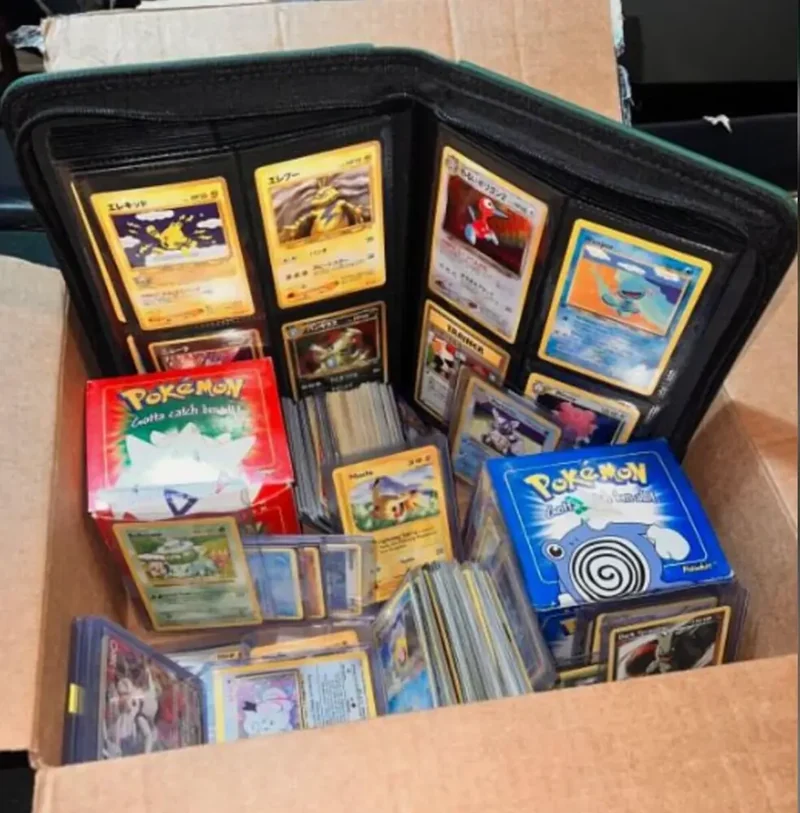
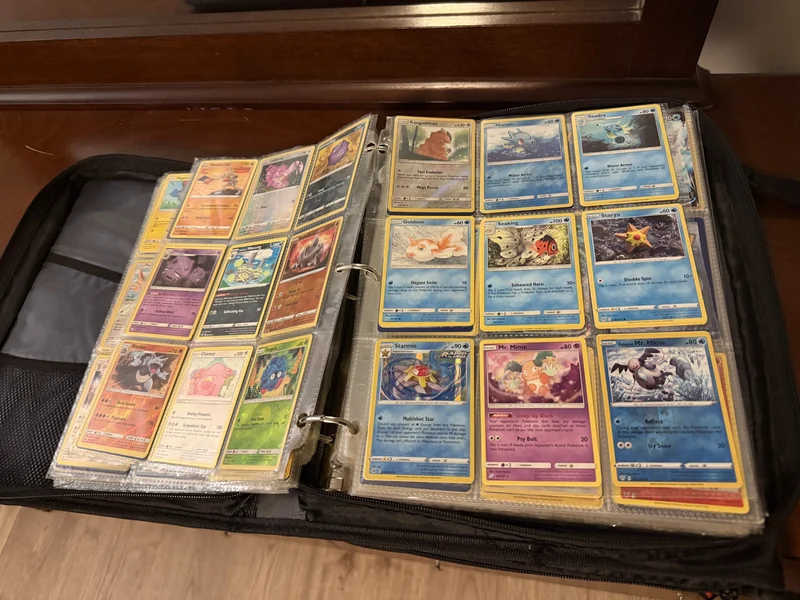
The way those cards were stored often tells a story. A collection might contain a starter deck, an assortment of booster cards, birthday gifts, repeated common cards or a promotional item from a movie. There may be newer cards tucked among older ones because a sibling or another family member continued collecting. An old binder is not necessarily a complete set or even a collection from a single period.
The return of interest in a childhood hobby can connect collectors to specific artwork, characters and releases. It is reasonable to see nostalgia as one source of demand. It is not reasonable to infer from nostalgia alone that every card has appreciated. For a broader discussion of what influences prices, read our Pokémon card market guide.
A timeline of early Pokémon cards
The following is a selected chronology of English-language releases, not a complete set checklist. Dates refer to release years, rather than the copyright years printed on every card. The Bulbapedia expansion list and Serebii English Cardex provide independent specialist catalogs for comparing these eras. Years are used because some historical catalogs differ on specific launch days.
| English-language era | Representative sets | Release year or years | Useful collecting clues |
|---|---|---|---|
| Original early expansions | Base Set, Jungle, Fossil | 1999 | Original artwork, early foil designs and edition variations |
| Early follow-up expansions | Base Set 2, Team Rocket | 2000 | Reprinted artwork in Base Set 2; Dark Pokémon in Team Rocket |
| Gym series | Gym Heroes, Gym Challenge | 2000 | Cards associated with familiar Gym Leaders |
| Neo series | Neo Genesis, Neo Discovery, Neo Revelation, Neo Destiny | 2000–2002 | Pokémon from the second generation and distinctive special cards |
| Legendary Collection | Legendary Collection | 2002 | Revisited older artwork; a distinctive reverse-foil treatment |
| e-Card era | Expedition Base Set, Aquapolis, Skyridge | 2002–2003 | Distinctive border designs and e-Reader-related features |
| EX series | EX Ruby & Sapphire through EX Power Keepers | 2003–2007 | Pokémon-ex, Gold Star and other collectible cards appear across this era |
| Diamond & Pearl series | Diamond & Pearl and subsequent expansions | 2007–2008 | New generations, card layouts and LV.X cards |
| Platinum series | Platinum and subsequent expansions | 2009 | Further LV.X cards and other distinctive variants |
Collectors commonly describe the earliest releases as vintage, but there is no single universally accepted cutoff year. A buyer who says vintage may mean the Wizards of the Coast period, while another may include later early-2000s cards. For accurate valuation, identify the expansion rather than relying on the vintage label.
Recognizing the different eras
The original 1999 cards
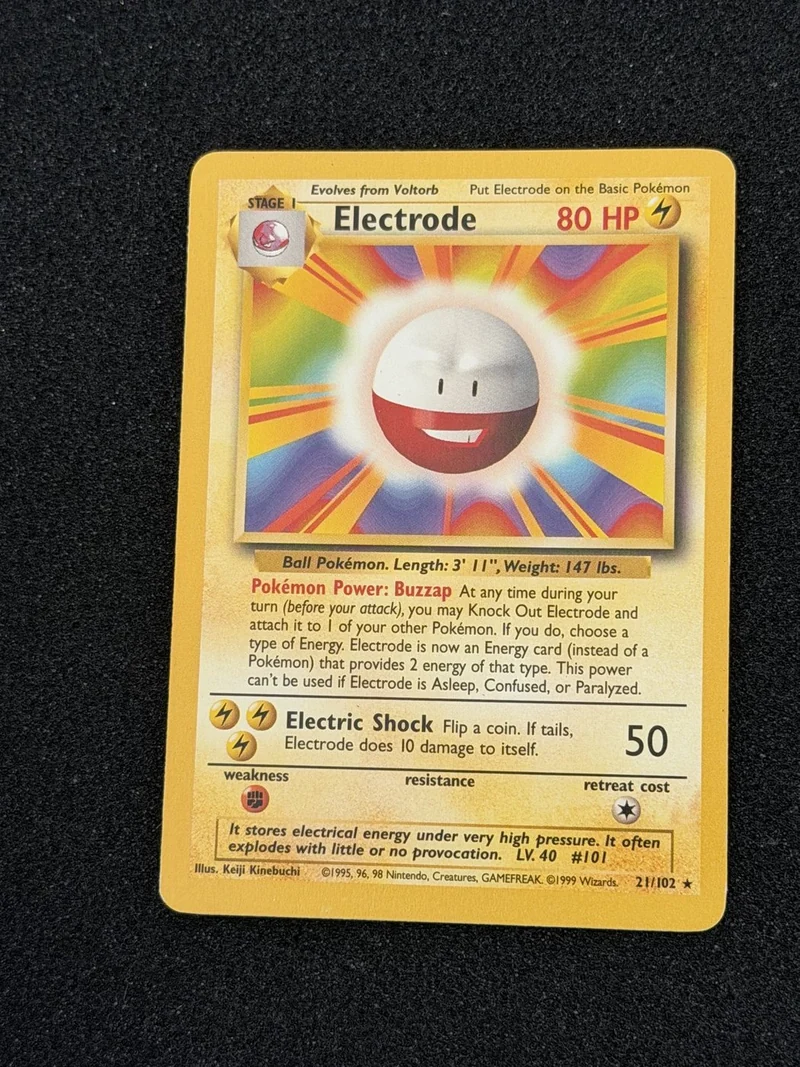
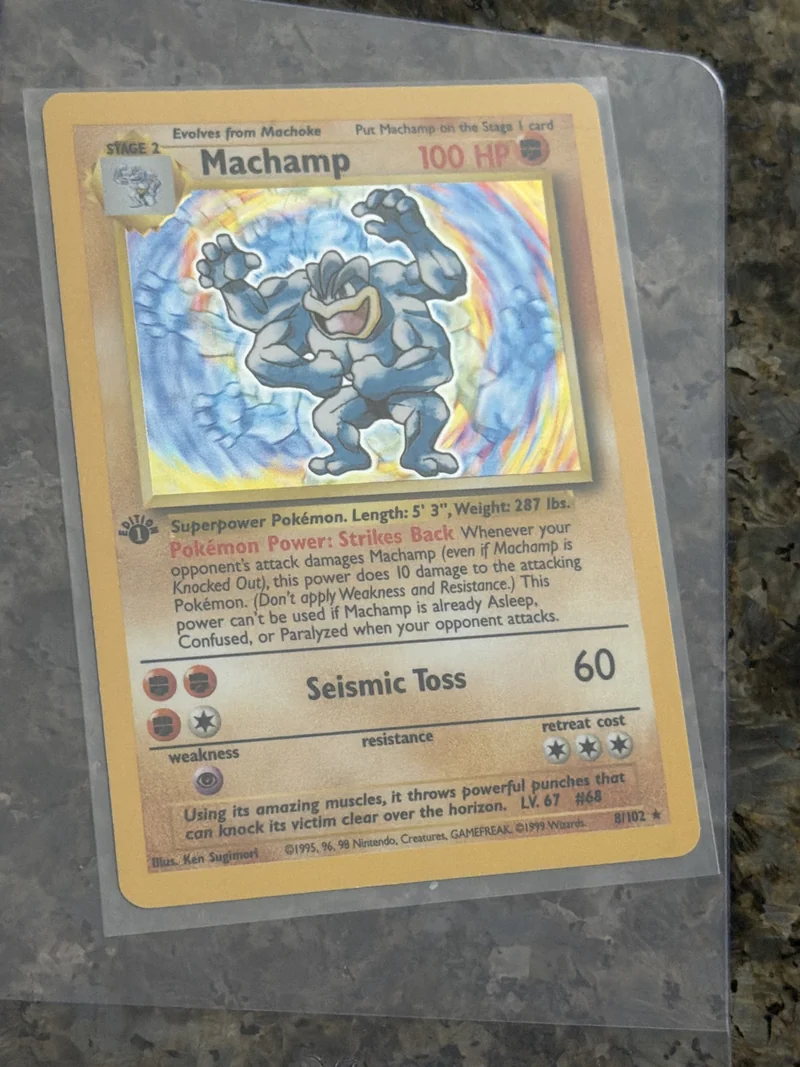
Base Set is where many English-language collections began. Familiar cards include Charizard, Blastoise, Venusaur, Pikachu, Electrode and many other characters. One reason Base Set requires careful identification is that similar-looking cards exist in First Edition, unstamped Shadowless and later shadowed printings. Some individual cards have distribution exceptions.
Jungle and Fossil followed during 1999 and introduced their own card artwork and expansion symbols. It is common for a collection assembled over time to contain cards from multiple early sets. A recognizable illustration alone may not settle the printing; compare the collector number and design features.
The expansions of 2000 and the Neo era
If you recognize names such as Dark Charizard or a Gym Leader's Pokémon, you may have cards from expansions following the original three. Team Rocket and the Gym sets introduced distinctive themes. The Neo series expanded the collecting landscape with Pokémon associated with the second generation, including characters that have become familiar to later collectors.
Do not overlook these cards simply because they are not the earliest Base Set printings. Each expansion has its own collecting audience. Cards from the same series may also have a different finish, edition or condition than the example shown in an online price guide.
The e-Reader and EX eras
The e-Card releases are particularly interesting to people returning to the hobby. Expedition, Aquapolis and Skyridge have recognizable design differences from the earliest yellow-border cards, including areas associated with the Nintendo e-Reader. Some cards have machine-readable markings; see the e-Reader card catalog. Those design features are a useful clue to research, not proof of an unusual error or a particular price.
The EX era began in 2003 and continued into 2007. Cards from that period include Pokémon-ex and other special collecting categories, with artwork and card designs that differ from both the first English releases and modern cards carrying similar terminology. EX Team Rocket Returns is one example from the series. A modern Pokémon ex is not interchangeable with an early Pokémon-ex merely because the names resemble each other.
If your childhood collection began several years after 1999, it still deserves a look. A binder from the middle or later 2000s may contain cards that are desirable to collectors who grew up with those releases. The first thing to establish is what each promising card actually is. See our card identification and pricing guide for a straightforward method.
What about Topps Pokémon cards?
Not every Pokémon card in an old collection belongs to the Pokémon Trading Card Game (TCG). Topps manufactured its own Pokémon trading cards, including a 1999 series based on the franchise and animated characters. These are collectibles in their own right. The Topps series catalog and specialist Topps identification guide document early designs and different versions.
Unlike the familiar TCG cards used in battles, many Topps cards focus on character illustrations, scenes or information rather than TCG gameplay statistics. You may see the Pokémon's character number prominently displayed instead of the TCG collector number format. Standard, foil and Chrome-type releases can also require different identification and market comparisons.
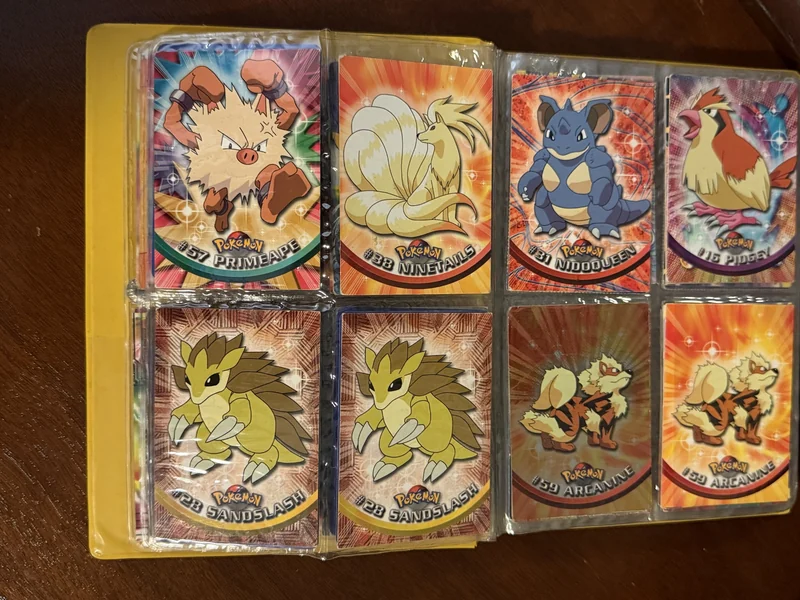
The photograph shows several recognizable characters and different surface appearances. It would be premature to classify the exact parallel, print run or condition of every card from the binder photograph. A clear image of the back, including the relevant Topps logo and printing information, can help a specialist narrow the version.
Topps, stickers, movie cards and other licensed Pokémon collectibles should not automatically be treated as ordinary TCG bulk. They may have different buyers, pricing resources and identification requirements. If you encounter something unfamiliar, keep it with the collection until you have a chance to research it. A buyer can also tell you if that type of item falls within the merchandise they review.
Why older cards can still be desirable
Cards were originally produced for entertainment and play. Many were handled repeatedly, traded, carried loose or kept in binders. For collectors who now seek a particularly clean copy of an old release, the condition of surviving cards matters. Well-preserved examples can be harder to find than worn ones, even when a card was originally widely distributed.
Age, however, is only one part of the equation. A card can be old, authentic and visually attractive but still have relatively little buyer demand. Other cards can retain significant interest despite modest wear because collectors want that specific version. Some cards may be worth more in a group than the time and postage required to sell them individually.
Consider also the difference between emotional and financial value. A card you remember receiving from a friend can be more meaningful to you than its recent selling price. Selling a collection does not need to be an all-or-nothing decision. Keep the pieces that matter to you and research the rest if you are unsure.
Our rare Pokémon cards guide explains why edition, rarity and condition are different measures. Avoid making a decision solely because you have seen a story about a spectacular high-end auction sale.
What to look for in an old collection
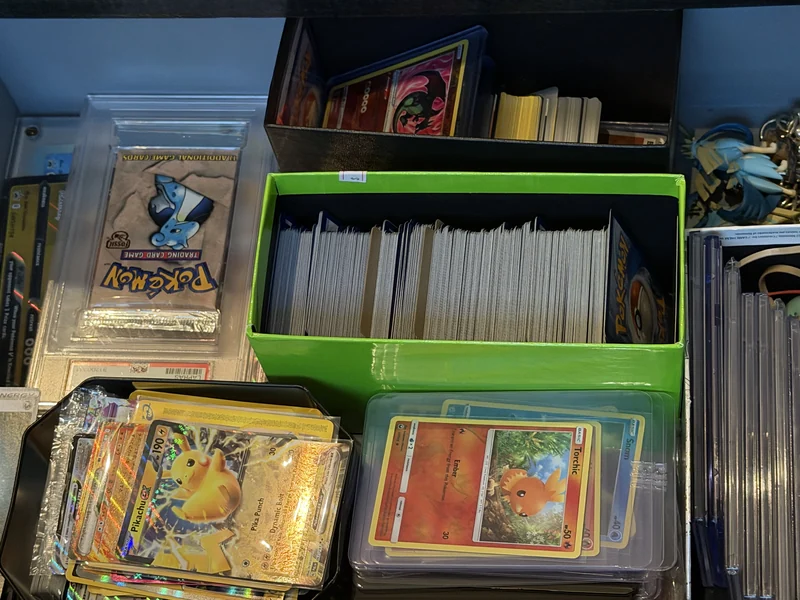
Start by looking at the collection as a whole. You might have a few pages, a box of loose cards or several binders. There is no need to remove everything or alphabetize every card.
| Clue | What to do |
|---|---|
| Familiar early artwork or older card layouts | Record the collector number and check the exact set |
| First Edition stamps | Examine the full design, not just the stamp |
| Shiny cards and unusual finishes | Photograph under diffuse light; compare the relevant version |
| Promo cards or unfamiliar designs | Keep separate for further research if easily accessible |
| Unopened packs or boxes | Leave sealed and photograph the packaging |
| Professionally graded cards | Photograph the label and the card without opening the holder |
| Worn cards or bulk | Preserve them; look for demand and appropriate condition comparisons |
Avoid judging the collection by only the first visible page. A few interesting cards may be tucked behind others or stored separately. At the same time, do not assume that a dense binder contains a hidden high-value item. Examine what is accessible without risking damage.
If you have inherited the collection or it belongs to someone else, make sure you have the authority to discuss a sale before accepting an offer. For a collection shared between siblings or family members, agree on ownership and which cards everyone wishes to keep before negotiating.
Preserving cards you rediscover
The best initial approach is conservative. Do as little as necessary to prevent further damage.
Wash and dry your hands before handling cards. Use a clean, dry surface away from drinks, food and direct sunlight. Hold a loose card by its edges. Avoid touching the printed face or holofoil. If a sleeve has adhered to the surface, leave it in place until you can seek experienced help rather than forcing it loose.
Keep cards in a reasonably stable, dry indoor environment, away from prolonged sunlight, moisture and temperature extremes. Use appropriately sized card-safe sleeves and holders. Do not overfill binder pockets or force a card into a holder that is too small. Store large groups so they are supported without crushing pressure.
Do not clean, polish, iron, trim, flatten or recolor a card. Even a well-intended attempt to remove a mark can change the original surface. PSA's grading standards describe condition issues and alterations that can affect grading outcomes. When a card appears particularly valuable, obtain appropriate guidance before attempting any preservation treatment.
Unopened packs deserve separate consideration. Opening an old sealed product changes it permanently. The packaging and original sealed state may be part of its collectibility. Research that exact item before deciding whether to open it.
Photographing your collection
If you want someone to review a collection remotely, clear photographs can be more helpful than a long list of guesses. Use natural indirect light or an evenly lit room, and take pictures from above where possible. Avoid harsh glare over shiny cards. Photograph the outside of boxes and binders, then a few representative pages or groups of cards. Take closer photographs of potentially distinctive cards only if practical.
Keep older cards in their sleeves unless they can be removed safely and there is a specific reason to do so. Do not force a binder flat. If cards are stored tightly, photograph them as they are. Additional photographs can always be requested later.
Do not include personal documents, shipping labels, identification cards or financial information in the background. A collection inquiry only needs relevant card information and ordinary contact details.
If you would like a free, no-obligation purchase review, send us a few photographs. You do not have to determine the age, condition or value of every item before reaching out.
Deciding what to do next
You have several good options. Keep the cards for their sentimental value, preserve them for family, research individual prices, seek independent authentication for exceptional items or compare offers from buyers. Some people enjoy revisiting the hobby and choose not to sell after all. Others prefer to free up space and avoid the work involved in handling many individual sales.
If you want to sell, the right approach depends on your goals. A single exceptional card may deserve an individual sale or specialist auction. A large collection of mixed cards may be easier to sell as a group. Our selling options comparison explains the costs and responsibilities of different methods.
You do not need to make a decision today. A review is only a first step, and no collection should be shipped until the parties have agreed on a purchase and shipping arrangements.
Key takeaways
- English-language Pokémon TCG collections date back to 1999, with many distinct collectible eras in the 2000s.
- Vintage is an informal description, not a universal cutoff or guarantee of value.
- Topps Pokémon cards are a separate collecting category from standard TCG cards.
- Worn cards can still have value; avoid altering or discarding cards before identifying them.
- You can explore selling options without sorting every card or committing to a sale.
Frequently asked questions
Are Pokémon cards from 1999 worth money?
Some are. Exact printing, authenticity, condition and demand determine the value of an individual card. Many 1999 cards have modest values, while certain scarce or unusually well-preserved examples can be much more desirable.
Are cards from the early 2000s collectible too?
Yes. Releases such as the Neo, e-Card and EX series have their own collector audiences. Research the exact expansion and version instead of assuming only 1999 cards matter.
Are old Topps Pokémon cards worth anything?
Some Topps cards attract collectors, including particular finishes or printings. They should be compared against equivalent Topps sales, not TCG card prices.
Can worn childhood cards still have value?
Yes, depending on the version and demand. Compare them with similarly worn cards, rather than pristine or professionally graded examples.
Should I clean my cards before selling them?
No. Cleaning or attempting to repair cards can damage or alter their original surfaces. Preserve them as found and seek advice when necessary.
What if my binder has both old and new cards?
That is fine. Photograph representative pages and let the different eras remain visible. You can research individual cards separately if you want to.
Can I get an offer without sorting my entire collection?
Yes. Cash Out on Cards accepts initial photo inquiries or existing inventory files for a free purchase review. An inquiry does not guarantee an offer or obligate you to sell.
That binder might be worth another look
The cards you kept years ago may still have a story to tell, whether you decide to hold onto them or sell. If you're curious about a potential purchase, show us what you've got. No sorting. No research. No obligation.
Sources and further reading
- The Pokémon Company International — franchise history and Pokémon TCG Pocket — TCG origins
- Bulbapedia — expansion chronology and Serebii — English Cardex (specialist catalogs)
- Bulbapedia — Topps series 1 and Topps Pokémon Trading Cards — edition and parallel identification (specialist references)
- PSA — grading standards
- Specialist catalogs: e-Reader card IDs, Legendary Collection, EX Team Rocket Returns