Collectibility & demand
Understanding the Pokémon Card Market: Collectibility, Demand and Long-Term Value
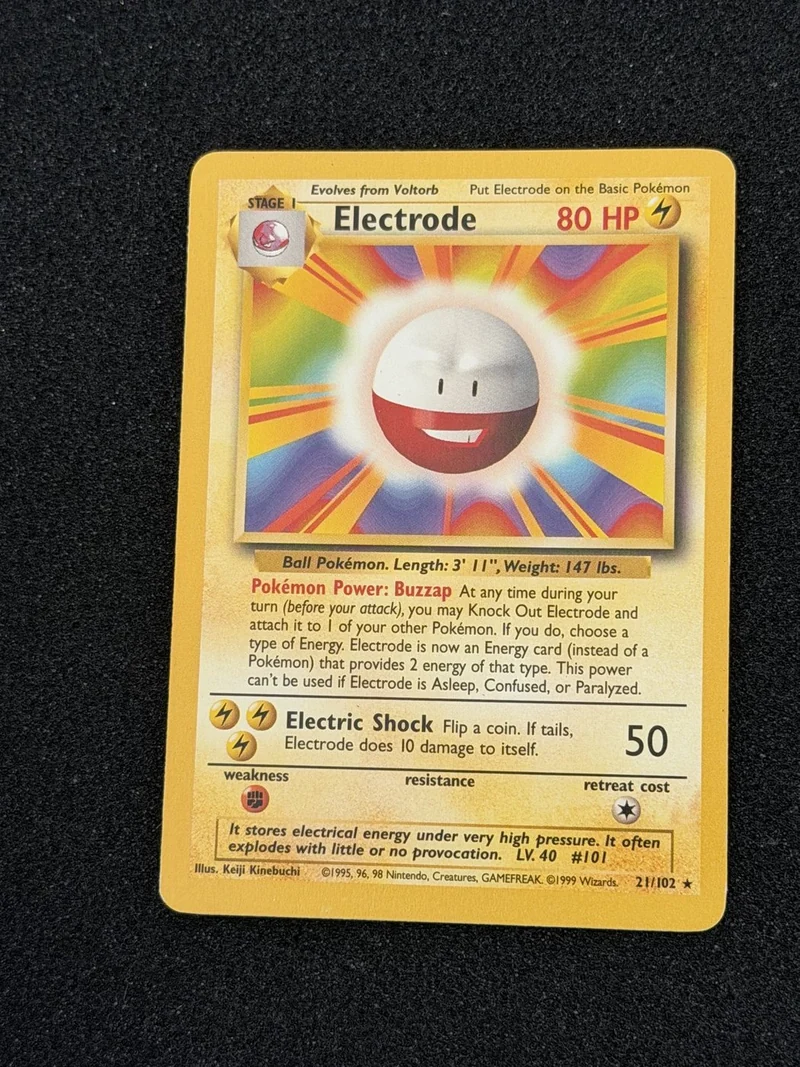
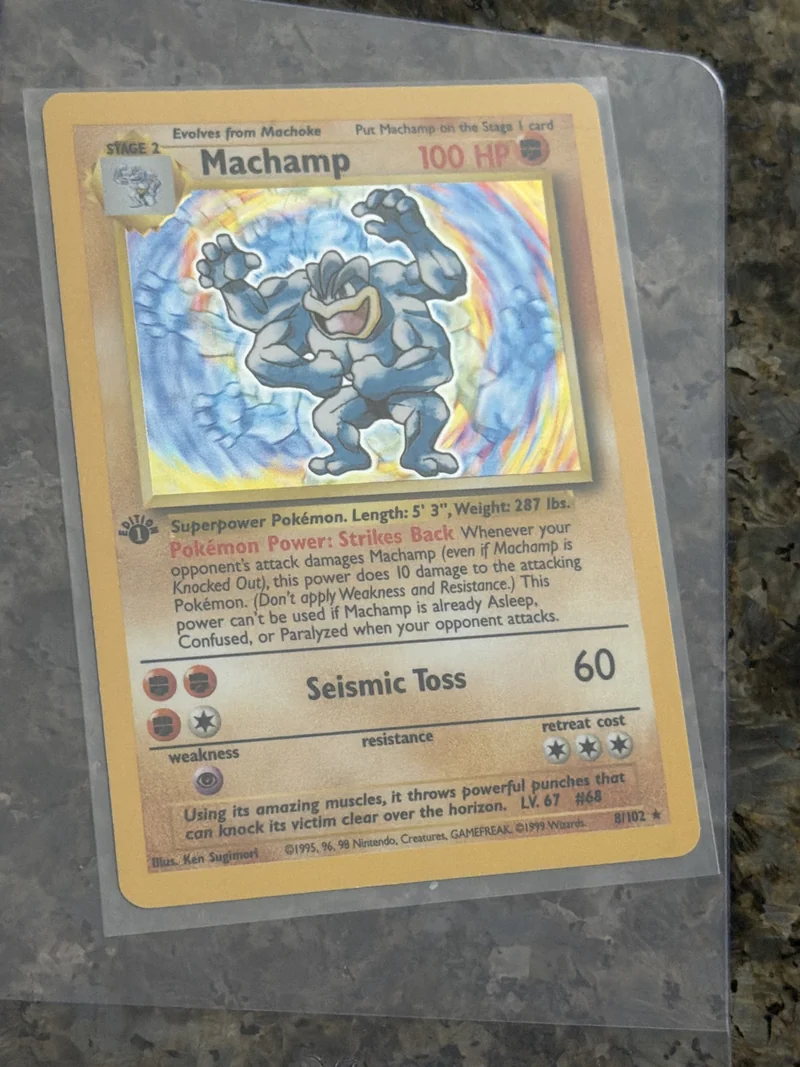
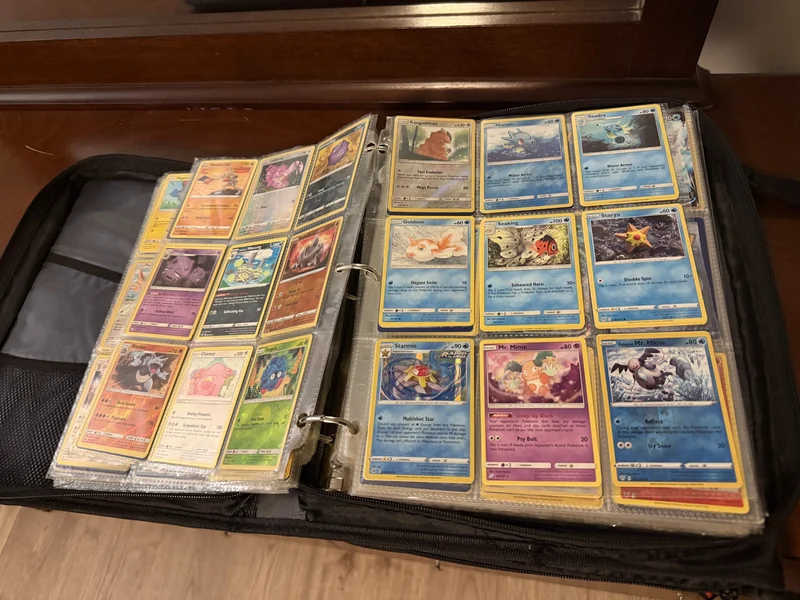
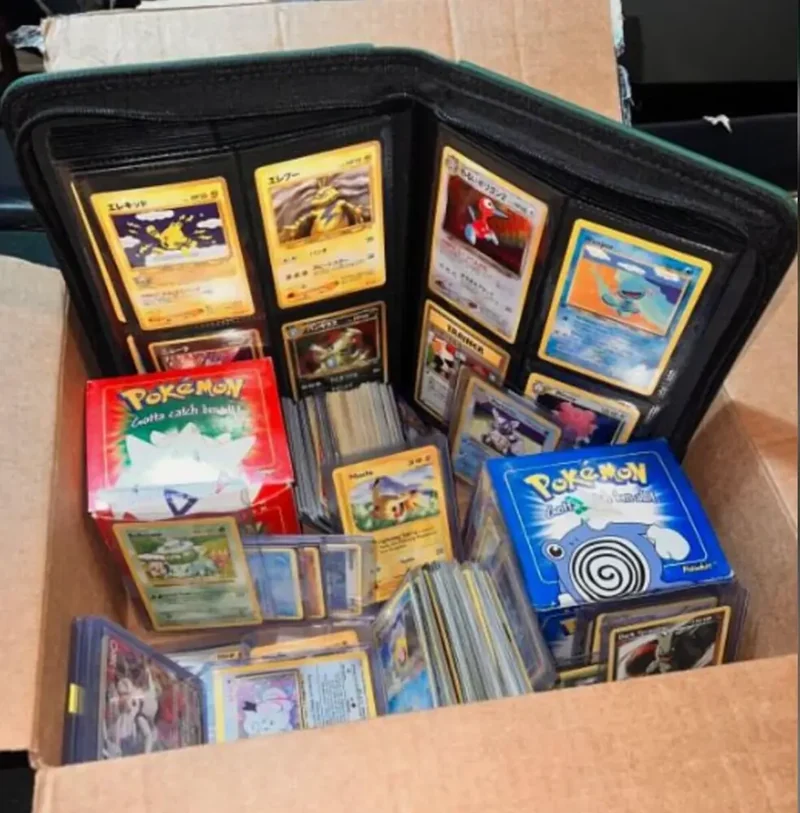
Pokémon cards occupy an unusual place in the world of collectibles. Some are game pieces, some are artwork people want to display, some are reminders of childhood and some are traded as valuable assets. A single card may appeal to several of those groups at once. Understanding that overlap is more useful than trying to predict the next card to increase in price.
The Pokémon card market is a collection of many different markets, not one asset with a single price. Values change with the demand for specific cards, the availability of equivalent copies, condition, product releases and the willingness of buyers to pay. A rising price in one part of the hobby does not necessarily mean other collections are rising in value.
By Cash Out on Cards | Educational guide
Editorial disclosure: Cash Out on Cards purchases cards and collections and may benefit commercially when readers sell to us. This article explains market concepts, not a recommendation to buy cards as investments or a forecast of financial returns.
Contents
- How the market evolved
- The different markets within Pokémon
- Supply, demand and reprints
- Why grading populations matter
- Sealed products versus individual cards
- What historical sales can tell us
- Liquidity and the cost of selling
- Collecting and investment are different
- How to follow the market responsibly
- Key takeaways
- Frequently asked questions
How the market evolved
The Pokémon Trading Card Game began in Japan in 1996 and arrived in North America and Europe in 1999. The franchise has continued to develop through games, animated entertainment, new card releases and competitive play. The official company timeline documents these milestones, while Pokémon's 30th anniversary announcement illustrates the continuing connection between the franchise's origins and new products.
An early collector may be looking for cards remembered from childhood. A newer collector may be drawn to a modern illustration or a favorite character encountered in a different video game. A competitive player may want a useful card for a deck rather than a particular historical printing. Over time, people who initially collected for play may return as adults with different preferences and budgets. These are plausible sources of demand, not measured demographic claims about the entire market.
The market also extends beyond standard trading card game singles. There are sealed products, promotional cards, non-TCG collectibles such as Topps, graded cards and complete sets. Those categories may attract overlapping but distinct audiences.
A familiar old character can appear in new art and products while its earlier cards remain available in the secondary market. Consequently, one Pokémon can have many distinct prices. The popularity of the character is relevant, but it is only one influence. The exact version is always important. If you are researching a collection from the 1990s or early 2000s, our vintage collection guide explains the chronology and collecting clues.
The different markets within Pokémon
A statement such as “Pokémon cards are going up” can conceal large differences between items. A widely available modern card, a sealed vintage box and a high-grade early promotional card are not economically interchangeable.
| Market segment | Principal sources of demand | Important risks or constraints |
|---|---|---|
| Modern playable singles | Deck building, competitive formats, availability | Changing play requirements, new releases, reprints |
| Modern collectible singles | Artwork, rarity, characters, completing collections | Popularity changes, supply increases, launch-period speculation |
| Vintage raw cards | Nostalgia, set completion, historical printings | Authenticity, condition variation, limited comparable sales |
| Professionally graded cards | Condition-specific collecting and independent grading opinions | Grade premiums change; population growth; certification and holder authenticity |
| Sealed products | Collectors of unopened items and people interested in the contents | Reprints, resealing concerns, storage, shipping and changing demand |
| Trophy and limited-distribution promos | Specialized collectors, provenance, unusual distribution | Small buyer pool, difficult authentication and irregular sale opportunities |
| Complete sets and mixed collections | Completion goals, collecting or resale opportunities | Group valuation, duplicates, unsold inventory and transaction complexity |
Modern cards can sometimes sell for more than older ones. An older card may be desirable in one condition but comparatively common in another. A new set may be popular while a different modern set receives little attention. Treat the category and exact collectible as the starting point for evaluating the market.
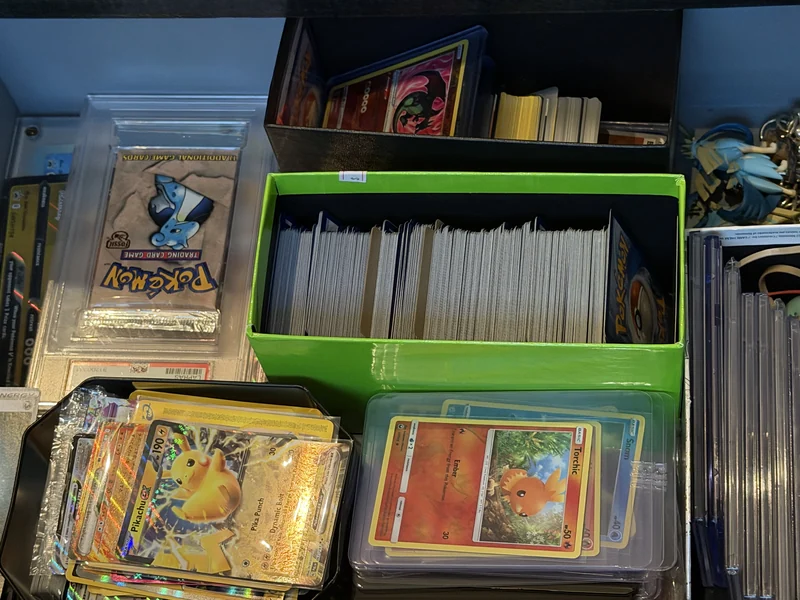
The same person may move between categories. A player might become a collector, a collector might prefer professionally graded cards, and someone who has completed a set might decide to sell duplicates. Demand can change without a major event affecting the entire hobby.
Supply, demand and reprints
Supply is more complicated than the number printed
Original production quantity, surviving inventory, condition, geographic distribution and the number of copies currently offered for sale are different concepts. It is possible for a large number of copies to exist while only a small number are listed at a particular moment. It is also possible for a relatively scarce collectible to be available for a long time because very few buyers want it.
For older cards, the number of surviving unaltered copies in a particular condition may be unknown. For new products, distribution can be uneven and restocks may not arrive everywhere at the same time. An empty retail shelf does not prove that no more products will be produced.
Pokémon's official product availability update describes its efforts to print and replenish products affected by unusually high demand. That is an important reminder that current shortages may not be permanent. It does not establish a specific future print run or guarantee a restock of any particular product.
How reprints affect prices
A reprint can make a previously hard-to-find card or product more accessible. In a playable-card market, increased availability may reduce the scarcity premium. In a collector market, the original printing may retain distinct demand even when later versions share the artwork or gameplay function.
Consider two hypothetical buyers: one wants a card for a deck and is satisfied with an equivalent modern printing. The other wants a historically specific First Edition example. Additional copies may change the first buyer's options without satisfying the second buyer's collecting goal. The effect of reprints depends on why people want the item and how closely available alternatives substitute for it.
This is why price histories need exact identification. An original card and a commemorative reprint are distinct products, even if they look familiar at a glance.
Demand is not always durable
Interest may increase because of a new game, release, anniversary, popular character, tournament, widely shared video or record-breaking sale. That attention can attract buyers in the short term. Some become long-term collectors; others lose interest after the event passes.
The same attention can encourage existing owners to bring cards to market, increasing available supply. If new buyers and sellers arrive at different rates, prices may move sharply in either direction. It is not possible to infer lasting appreciation from a burst of online activity alone.
Why grading populations matter
A professional grading company assesses cards according to its own standards and maintains records of the items it grades. PSA's Population Report can be searched by card and grade, and its population help describes the effect of changes in variant recognition on historical data.
Population reports can help answer questions about condition rarity. They cannot answer exactly how many physical copies of a card exist worldwide. Ungraded cards are not represented in a particular grader's report, other companies have separate records, and grading or classification changes can complicate comparisons.
Imagine a hypothetical card with 1,000 recorded grading entries at one company, of which 100 received grade 10. That tells us the proportion among those recorded submissions, subject to the dataset's limitations. It does not tell us that 10% of every copy printed would earn that grade, because the submitted cards are not a random sample. Owners may preferentially send their cleanest examples, and resubmission or record-keeping practices can affect totals.
A low grading population may be interesting if collectors want that grade, but it can also reflect low submission interest. A high population does not automatically mean a card is undesirable. Strong buyer demand can coexist with many certified examples.
If a graded card has an apparent premium, compare recent sales of the same grading company, grade and exact version. Look at the number of transactions and their dates. A high advertised price with no completed sales is not strong evidence of a liquid market. Our guide to rare and valuable cards covers grading criteria and condition premiums.
Sealed products versus individual cards
An unopened product has characteristics beyond the individual cards it might contain. Buyers may value the packaging, the chance to open it, the history of the release or the sealed product itself. Once opened, it is no longer the same collectible.
This distinction creates a different set of risks. Packaging can be crushed or torn, seals may be compromised and resealed or counterfeit products can require specialist examination. An original receipt or a reliable ownership history can help support provenance, but it does not replace careful authentication. Large sealed collections also require suitable storage space and may be more expensive to ship than a single card.
The value of a sealed product should not simply be equated with the value of the most desirable card that could appear inside it. That card may not be present, and any card pulled may have condition issues. A realistic expected-contents calculation would require reliable pull probabilities for the exact product and current prices across possible outcomes, not just the headline chase card. Those data may be incomplete or unavailable.
An individual card has its own identity, condition and market. Compare its sale records directly. For a sealed box, compare authentic equivalent unopened boxes, rather than assuming the prices of singles determine the box's market value.
What historical sales can tell us
Documented completed transactions help distinguish market evidence from speculation. Consider three actual auction results for different copies of the same familiar card design:
| Date | Item | Reported sold total |
|---|---|---|
| July 24, 2021 | 1999 English Base Set First Edition Charizard 4/102, holo, PSA Gem Mint 10 | $264,000 |
| March 4, 2022 | 1999 English Base Set First Edition Charizard 4/102, holo, PSA Gem Mint 10 | $336,000 |
| December 2, 2022 | 1999 English Base Set unstamped Shadowless Charizard 4/102, holo, PSA Gem Mint 10 | $72,000 |
All three come from Heritage Auctions' archived results. They are published sale totals, with a stated buyer premium of 20% of the successful bid on each lot. They are not necessarily the amounts received by the sellers. These figures are historical examples, not November 2026 prices or an appraisal of any privately held card.
The first two transactions demonstrate that different examples of the same identified grade and edition can sell for different amounts on different dates. That difference does not establish the return achieved by any single investor, because these were separate lots with potentially different provenance, bidder participation and other circumstances. The third shows why printing distinctions matter, but it is not a same-day controlled comparison of edition premiums.
Exceptional auction results also differ from ordinary marketplace activity. A rare sale can generate substantial media attention without establishing what lower-value cards will sell for. Avoid extending the price change of a celebrated card to an entire collection or assuming that a small sample represents a market index.
For a more complete estimate of a particular card, combine recent comparable records with an understanding of condition and the availability of buyers. The card pricing guide explains how to use TCGplayer, PriceCharting and eBay alongside specialist auction records.
Liquidity and the cost of selling
Liquidity describes how readily an asset can be sold at a reasonable price without requiring a major price concession. A collectible with a high estimated value can be relatively illiquid if only a few buyers are interested or if sales occur infrequently.
Suppose one card has frequent transactions near a modest price, while another has a high reported price but only a handful of transactions over a long period. The second item may be more valuable, yet harder to convert into cash on demand. An owner who needs to sell promptly may have to accept a different amount than someone willing to wait for the right buyer.
The costs of selling also matter. A collection price guide does not automatically subtract commissions, packing costs, postage, insurance, grading, returns, unsold inventory or time. A dealer buying a collection has to consider these issues as well as capital committed to inventory and the possibility that future demand changes.
A collection with many inexpensive cards presents a different problem from one concentrated in a few expensive cards. The first may involve significant processing and individual fulfillment work. The second may require particular authentication and secure transaction arrangements. Each can create costs that are not captured by a simple total of individual retail estimates.
See our guide to where and how to sell Pokémon cards for a worked comparison of gross prices, actual proceeds and whole-collection offers.
Collecting and investment are different
People buy collectibles for many reasons. Enjoyment, nostalgia, artwork and the satisfaction of completing a set can provide value that has nothing to do with resale. A person buying a card strictly for financial appreciation faces a different set of considerations.
Unlike a business interest that may generate cash distributions or a bond that may pay interest, owning a card ordinarily produces no ongoing income merely from holding it. Financial results depend on whether a buyer can eventually be found, the price achieved and the costs incurred. Storage, insurance, authentication and transaction costs can reduce proceeds. Damage or loss may reduce value. There is no guaranteed return.
A historic price increase in one card does not show that a later buyer will earn a similar result. Even a desirable item can decline in price. Collectible markets can be influenced by speculation, changing preferences, new supply and broader economic conditions. A high grading population may grow further. A scarce card may attract fewer bidders in the future.
If you collect for pleasure, decide how much enjoyment and sentimental significance the item has for you. If financial outcomes matter, recognize the uncertainty and the limited ability to sell on a fixed schedule. Do not treat a price guide or an isolated sale as a promise of appreciation.
Preservation matters regardless of your motivation. Keep cards protected in suitable storage, avoid altering their surfaces and keep sealed items in conditions that protect the packaging. If you document a collection over time, record the exact items and the dates and sources of your estimates.
How to follow the market responsibly
A useful monitoring routine can be quite simple. Choose the exact cards or products you care about, record a small set of credible comparable sales and revisit the evidence periodically. Pay attention to sale frequency as well as price. Separate raw cards, graded copies, language versions and sealed products.
| Signal | What to check before drawing a conclusion |
|---|---|
| Higher price-guide value | Is it supported by recent comparable sales? How many? |
| Rising number of listings | Are the items actually selling, or merely being advertised? |
| New grading population figures | Are the exact version and grade recorded consistently? |
| Sold-out product | Is it a local shortage or evidence of wider availability constraints? |
| Record-breaking auction | What exact card, grade, sale date, premium and special circumstances were involved? |
| Social media enthusiasm | Does actual transaction activity support the apparent interest? |
Try not to change your conclusions every time an individual sale appears. When evidence is thin, a range or a statement that pricing is uncertain is more defensible than a precise estimate. Keep notes on the sources you used so you can compare like with like later.
If you own a collection and are considering selling, you do not need to forecast the future market. Compare your reasons for keeping the cards with the actual offers and other selling options available to you now. A free purchase inquiry can be one input into that decision, not a commitment to sell.
Key takeaways
- Pokémon cards span multiple markets with different buyers, supply and risks.
- Printed quantity, visible availability and grading populations are not the same thing.
- Reprints, release hype and changing preferences can affect prices.
- Historical auction records are evidence of particular transactions, not market-wide return guarantees.
- Collectibility, liquidity and net sale proceeds are separate considerations.
Frequently asked questions
Are Pokémon card prices always increasing?
No. Prices can rise or fall, and different cards can move in different directions. Use completed transactions for the exact collectible instead of assuming the entire market follows one trend.
What causes a Pokémon card to increase in value?
More buyer interest relative to available comparable copies can push prices higher. Character popularity, artwork, condition, distribution and cultural attention can influence demand, but none guarantees appreciation.
Do reprints reduce the value of every older card?
No. A reprint may satisfy some buyers, while others specifically want the original version. The effect depends on the products, scarcity and reasons buyers want them.
Does a low PSA population guarantee high value?
No. A low population may reflect condition rarity or simply limited grading activity. Collector demand and actual transaction evidence remain important.
Is it better to keep sealed Pokémon cards or open them?
That depends on your collecting goals and the specific product. Opening changes an unopened collectible permanently, and there is no guarantee that its contents will be worth the sealed product's price.
Are Pokémon cards a reliable investment?
There is no guaranteed return. Collectibles can lose value, are sometimes difficult to sell and may involve substantial costs. Enjoyment and financial expectations should be considered separately.
How do I know if it is a good time to sell my collection?
There is no universal best date. Consider current comparable sales, actual buyer offers, your reasons for keeping the collection and how much time you want to spend selling. Market forecasts are uncertain.
Considering a change to your collection?
Whether you are downsizing, rediscovering older cards or simply exploring your options, read our selling guide or submit your collection for a free, no-obligation purchase review. No prediction of future value or guarantee of an offer is implied.
Sources and further reading
- The Pokémon Company International — history
- The Pokémon Company — 30th anniversary announcement
- Pokémon Support — product availability update
- PSA Population Report and population search guidance
- Heritage Auctions: July 2021 First Edition Charizard, March 2022 First Edition Charizard, December 2022 Shadowless Charizard